
How to Keep Your Atlanta Pool Ready for Every Season
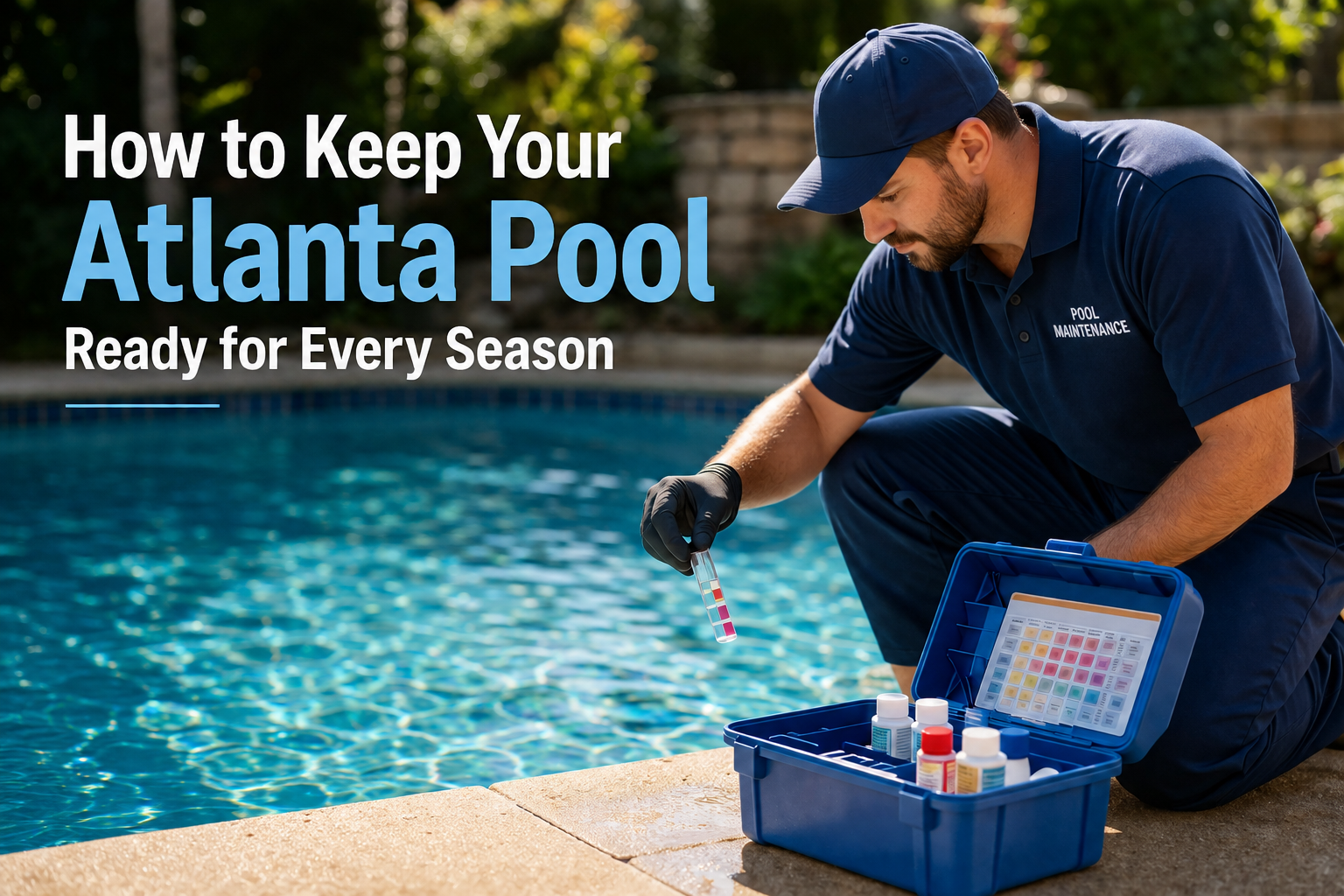
When summer heat rolls across Georgia, a swimming pool becomes that main, sort of everybody’s-there place for family relaxation and weekend recreation. But keeping the pool water clear and comfortable takes a lot more than just skim nets and the basic chlorine tablets, you know. Finding reliable pool maintenance in Atlanta, GA means looking past what you can see on the surface, and really understanding the thin line of chemical and structural balance in your aquatic environment.
Over years of hands-on experience in construction, mechanical systems, and water chemistry, we have seen how even small environmental changes can swing water quality. High-quality pool maintenance services in Atlanta, GA should consider heavy afternoon thunderstorms, soaring humidity, and dense seasonal pollen. When you understand how these factors interact, pool owners can prevent annoying equipment breakdowns and also keep their long-term investment protected.
Why does standard pool care often fall short in humid climates?
Most homeowners think clear water equals safe water. But clear water can still hide trouble, like improper pH balance, high cyanuric acid levels, or microscopic dissolved minerals sitting there quietly. In warm southeastern climates, extended exposure to direct sunlight can knock down free chlorine fast. Add heavy rain into the mix, and the whole water balance can shift within twenty-four hours, sometimes even sooner.
Industry data from pool trade associations suggests proactive equipment care and routine chemical balancing can reduce emergency repair costs by up to 40 percent, and also extend pump and filter lifespans by several years. When water chemistry slips out of balance, equipment parts like rubber seals, heat exchangers, and pump impellers can deteriorate much faster. Water circulation matters too. Without adequate daily turnover, dead zones form in deep ends and around steps, creating prime breeding grounds for stubborn algae species.
How can pool owners spot minor equipment issues before they become major repairs?
Catching early warning signs tends to save time, stress, and also a bunch of unnecessary money. Mechanical systems often “talk” about problems long before there’s an all-out shutdown. If you pay attention to the small, quiet changes in how everything is running, you can deal with minor wear before it turns into bigger structural problems, or electrical damage that costs more later.
We suggest you keep an eye on these key indicators during routine weekly operational checks, not just when something seems off:
- Pressure gauge shifts: If you see a rise of 8 to 10 PSI over the usual baseline, it can mean a dirty filter. But if pressure drops instead, that often points to a clogged pump basket or a suction side blockage.
- Unusual pump noise: Screeching or heavier rattling sounds usually indicate worn motor bearings or water cavitation happening inside the housing.
- Water level fluctuations: Losing more than about a quarter inch of water per day, outside normal evaporation, can suggest a leak somewhere in plumbing lines or in the vinyl liner area.
- Chemical consumption spikes: If your pool suddenly needs about double the typical sanitizer amount to stay at normal levels, you’re likely dealing with organic buildup, or high phosphate readings lingering in the filtration process.
What does a structured schedule look like for year-round aquatic health?
Consistent care requires different priorities as seasons change. Managing a pool during peak summer usage requires a very different approach than preserving water quality and equipment integrity during cooler months.
| Season | Primary Focus Area | Key Action Items |
| Spring | Opening & Water Balance | Remove winter debris, balance calcium hardness, inspect pump seals, and re-establish proper filtration cycles. |
| Summer | Sanitization & Circulation | Test chemical levels twice weekly, run pumps 8 to 12 hours daily, brush walls, and monitor water clarity. |
| Fall | Leaf & Organic Removal | Empty skimmer baskets frequently, clean filter media, adjust run time as temperatures drop, and control phosphate levels. |
| Winter | Protection & Freeze Guard | Test freeze protection controls, maintain balanced water chemistry, cover properly, and inspect equipment periodically. |
By adhering to a structured operational calendar, pool equipment operates at peak efficiency, energy costs stay controlled, and water remains safe for swimmers year-round.
How does proper equipment maintenance impact long-term home value?
A swimming pool is a major structural element for most homes. When it’s cared for properly, it becomes a selling advantage, and it also feels like a genuine outdoor living space. On the other hand, if pool equipment is neglected, plaster is stained, or a vinyl liner is compromised, inspections can turn that into a fast-growing financial burden.
Putting effort into filtration efficiency, using correct backwashing methods, and handling mechanical repairs on time helps the whole system work as one. When you understand the balance between physical filtration, chemical treatment, and mechanical circulation, it becomes the kind of backbone that supports solid pool ownership.
Conclusion
Maintaining a healthy swimming environment is an ongoing commitment to precise water chemistry, mechanical care, and routine inspections. Rather than waiting for green water or pump failure to address pool health, consistent preventive measures protect both your property value and your swimming experience. For homeowners seeking professional oversight and dependable care, Aquatic Excellence LLC provides comprehensive solutions for pool maintenance in Atlanta, GA, helping maintain clear, safe, and efficient pools throughout every season.
Frequently Asked Questions
How often should a swimming pool receive professional maintenance?
Most residential pools benefit from weekly or biweekly maintenance, although usage, weather, and surrounding landscaping may require more frequent service.
Why is water chemistry testing important?
Proper water chemistry helps maintain safe swimming conditions, reduces algae growth, protects pool equipment, and improves swimmer comfort.
Can regular maintenance help reduce repair costs?
Yes. Routine inspections often identify small issues before they develop into expensive equipment failures or major repairs.
What are common signs that a pool needs maintenance?
Cloudy water, algae growth, poor circulation, unusual equipment noises, and excessive debris are all indicators that professional attention may be needed.
Does professional maintenance include equipment inspections?
Yes. Professional maintenance commonly includes checking pumps, filters, circulation systems, and other visible equipment to help ensure the pool operates efficiently.