
What Your Pool Needs to Stay Clear, Safe, and Stress-Free
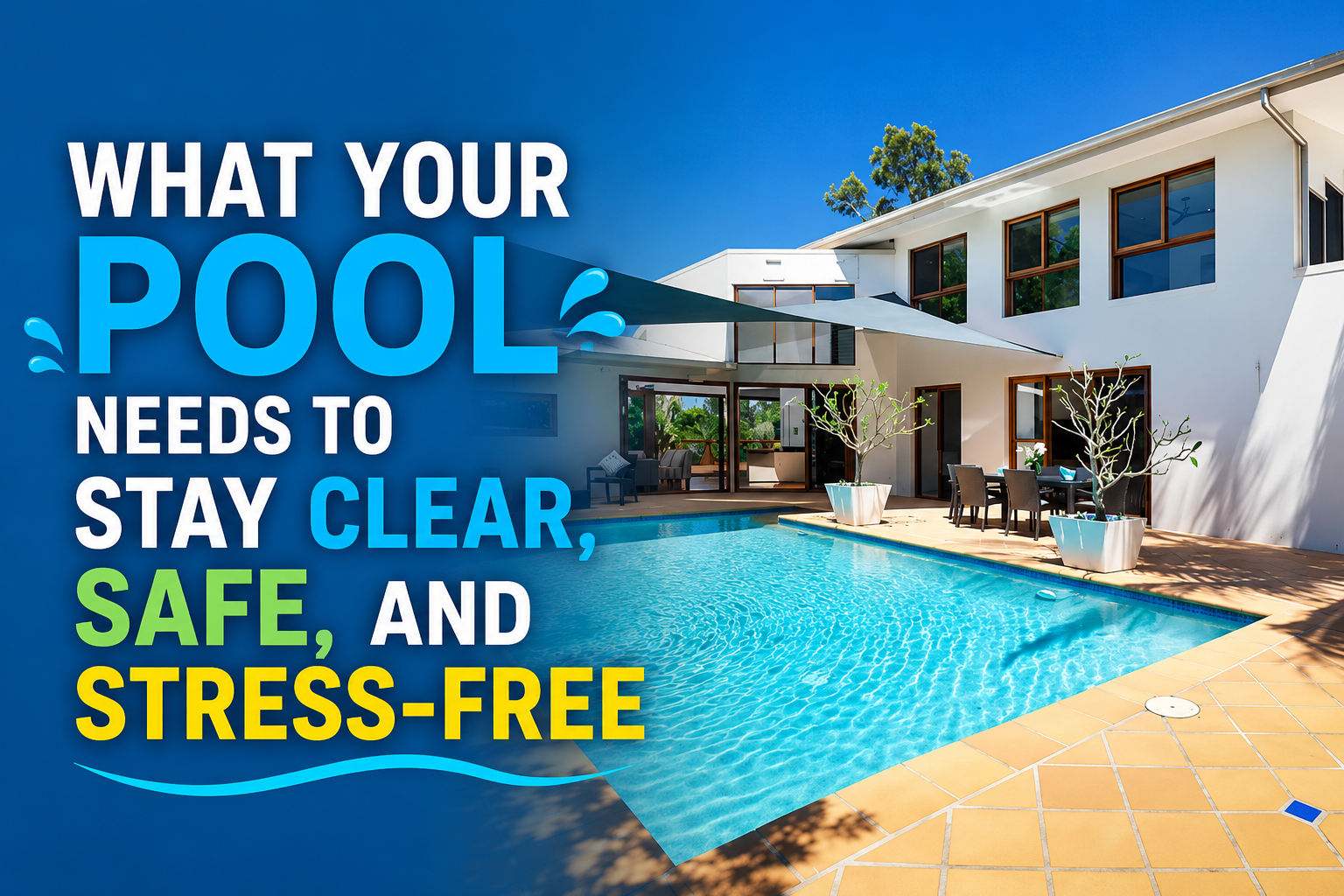
The modern backyard is kind of a huge financial and emotional commitment. For a lot of families, a swimming pool becomes the “most needed” gathering spot, a quiet retreat, and the visual focal point for basically the whole property. When you build or buy a home with a custom pool, you’re not only getting a physical structure; you’re really paying for an ongoing experience. Still, many homeowners learn pretty fast that keeping this luxury looking right takes more than good intentions. As a dedicated swimming pool maintenance company in Temple, GA, we see it every day how a beautiful pool can change your daily routine… as long as it gets the right professional care.
Water isn’t just water; it’s more like a living ecosystem, constantly reacting to weather shifts, local wildlife, tree fragments, and bather activity. If you ignore the less obvious systems inside your pool, that backyard luxury can become a stressful, extra time-consuming headache real quick. We think that good swimming pool maintenance in Temple isn’t only skimming leaves off the top on a random Saturday afternoon; it also means managing an exact balance of organic chemistry, water movement, and mechanical supervision. That combination keeps the setting safe, sanitary, and genuinely welcoming for your family.
Why is water chemistry more than a weekend hobby?
Many people believe that adding a few chlorine tablets now and then is enough to keep a pool clean. In reality, water chemistry is a delicate balancing act where every single parameter affects the other. When your pH level fluctuates even slightly, it directly impacts how efficiently your sanitizer works. Low pH can corrode expensive heaters and pump seals, while high pH can cause scale buildup on the pool surface and clog your filtration media.
According to recent pool industry data, up to eighty percent of premature equipment failures stem directly from poorly managed water chemistry over an extended period. When the water parameters are incorrect, vinyl liners degrade faster, plaster surfaces become rough, and the overall lifespan of the entire system drops significantly. We analyze total alkalinity, calcium hardness, and stabilizer levels to protect the physical components of your investment.
What happens behind the scenes of a healthy pool?
The pump and filtration system serve as the heart and lungs of your pool. Without proper, daily circulation, water becomes stagnant, creating a perfect environment for black algae blooms and harmful bacterial growth. We ensure that your water moves efficiently through the filter every single day to catch microscopic particles before they can settle.
To keep this complex mechanical system operating smoothly, several key components require routine, disciplined attention:
| Component | Primary Maintenance Task | Expected Benefit |
| Filtration Media | Periodic backwashing or deep cleaning | Restores optimal system pressure and water clarity |
| Pump Basket | Frequent clearing of leaves and organic debris | Prevents water starvation and motor overheating |
| Multiport Valve | Regular inspection of internal rubber gaskets | Prevents water loss and bypass leaks |
| O-Rings | Routine lubrication with silicone-based lubricant | Seals the system against air leaks and pressure loss |
When these mechanical parts operate smoothly, the energy consumption of your home decreases. A dirty filter forces the pump motor to work twice as hard to push the same volume of water, which increases your monthly utility bills and burns out the motor prematurely.
How do changing regional seasons impact your pool?
Georgia weather kind of does its own thing, and outdoor pools get hit with a mix of fast, sometimes relentless changes. In spring, the heavy pollen season arrives, then summer turns hot, humid, and longer than expected, and fall tends to dump more leaves, seeds, and natural mess. Because of that, you really can’t treat pool care as one static plan that you set and forget.
During the peak summer stretches, evaporation climbs, and the remaining water becomes more concentrated, including the chemicals. Then you get sudden rainstorms, and they can dilute your sanitizer in just a few hours, which means the pool can slide toward rapid organic growth before you even notice. When winter finally comes around, pool closing isn’t just “turn off the equipment” either. Closing involves specialized steps to protect underground plumbing from freezing temperatures. Professional winterization helps keep water from getting trapped inside pipes, where it could expand and crack lines. That small effort saves thousands of dollars later from those hidden repair bills that show up when spring is back.
Can commercial properties skip specialized oversight?
Commercial pools- think hotels, community centers, fitness clubs- face health department rules that are very strict. Also, the bather load is usually much higher than a residential setup, so the chemistry may shift dramatically in a single afternoon.
Running a commercial site needs meticulous documentation and constant watchfulness. If chlorine drops under the legal limit for even a short window, local authorities can shut things down, and that affects revenue as well as guest experience. Real know-how in this field means being fluent in public health codes, using commercial-grade filtration equipment, and handling mechanical problems immediately, so the property spends less time closed and the water stays stable.
How do you preserve your backyard investment for the long term?
A swimming pool should bring peace, relaxation, and joy, not frustration and weekend exhausting labor. Delegating the technical tracking, seasonal adjustments, mechanical inspections, and heavy scrubbing to experienced professionals allows you to simply enjoy the water with your loved ones. Consistent care ensures that structural elements like vinyl liners, plaster surfaces, and tile borders remain intact for their full expected lifespan, which preserves the resale value of your entire property.
When you look at a crystal-clear pool, you are seeing the result of disciplined routines, quality materials, and technical training. If you want to protect your backyard investment and enjoy stress-free weekends, securing a professional pool maintenance service in Temple is the smartest choice you can make, and you can always count on the reliable, high-quality care provided by Aquatic Excellence LLC.
Frequently Asked Questions
- How often should a pool filter be cleaned?
A pool filter generally needs a deep cleaning or backwashing every four to six weeks, or when the pressure gauge reads eight to ten pounds per square inch above the clean starting pressure.
- Why is my pool water cloudy even after adding chlorine?
Cloudy water can indicate poor filtration, a developing algae bloom, or improper chemical balance, such as high pH or calcium hardness.
- How long should I run my pool pump every day?
During the warm swimming season, a pool pump should run for at least eight to twelve hours a day. The goal is to turn over the entire volume of pool water at least once daily.
- Can heavy rain affect the chemical balance of a pool?
Yes, heavy rain introduces contaminants, airborne debris, and organic matter into the water while diluting existing pool chemicals.
- What is the purpose of pool shock treatments?
Shocking involves adding a high dose of sanitizer to raise free chlorine levels rapidly. This process breaks down combined chlorine, which causes that distinct chemical smell and eye irritation.