gsg wyt, Author at Aquatic Excellence

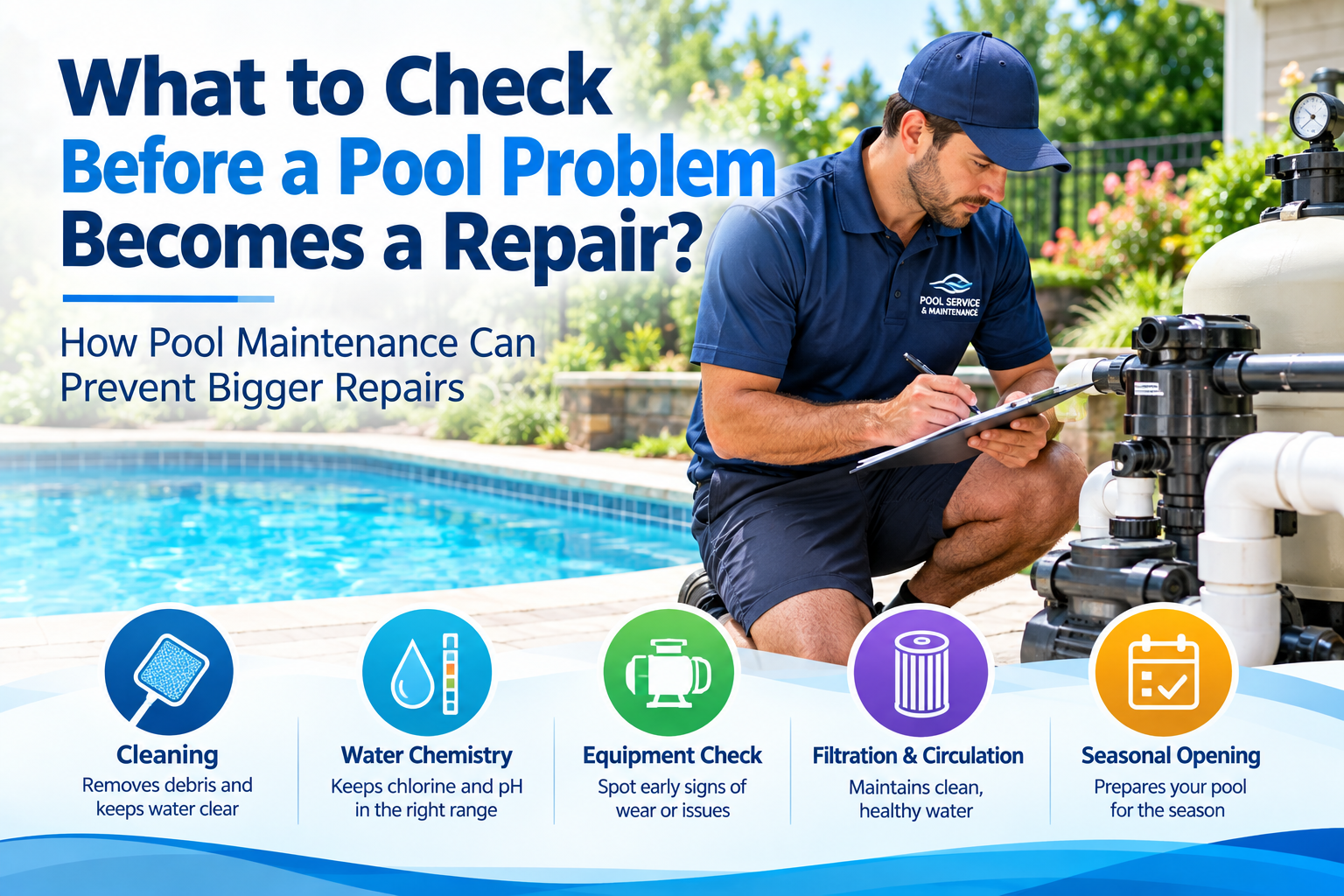
What to Check Before a Pool Problem Becomes a Repair?

A swimming pool rarely develops a serious problem without showing smaller warning signs first. Water that becomes difficult to balance, weaker circulation, unusual pump sounds, changing filter pressure, or recurring debris can all signal that something deserves attention. Because these changes can be easy to overlook, regular maintenance should do more than make a pool look clean. Our pool cleaning service gives us an opportunity to observe the pool’s condition while completing essential cleaning and water-care tasks.

Seasonal preparation provides another important checkpoint. Our pool opening service helps restore a pool after closure while allowing us to check its equipment, circulation, filtration, and overall condition. For homeowners who eventually need a swimming pool repair service in Kennesaw ga, identifying developing problems early can be more practical than waiting for an equipment failure or visible damage.

Why is pool maintenance more than keeping water clear?

A swimming pool operates as a connected system. Water chemistry, filtration, circulation, plumbing, pumps, heaters, and cleaning all influence how the pool performs. A problem in one area can affect another.

Our experience servicing residential and commercial pools has shown us why maintenance should be based on the pool’s actual condition rather than a one-size-fits-all routine. Trees and landscaping can increase debris. Heavy swimming activity can affect water chemistry. Equipment age and usage can influence maintenance needs.

During routine service, we look at these factors together. A full skimmer basket may simply reflect seasonal debris, while recurring filter pressure changes may require further investigation. This distinction helps turn routine maintenance into an opportunity for early problem detection.

What can water chemistry reveal about a pool?

Water chemistry can reveal conditions that are not obvious from appearance alone. The Centers for Disease Control and Prevention recommends regular testing of chlorine and pH in residential pools. The CDC identifies a pH range of 7.0 to 7.8 and explains that pH affects chlorine effectiveness. It also recommends testing chlorine and pH at least twice daily for residential pools, with additional testing when pools experience heavy use.

Chlorine and pH can be affected by sunlight, swimmer activity, dirt, and organic contaminants. When water repeatedly becomes cloudy or difficult to balance, adding more chemicals may not address the underlying cause. Filtration, circulation, cleaning frequency, and other conditions may also need to be considered. For us, water testing is therefore one part of a larger maintenance process rather than an isolated task.

Why does pool opening provide an important maintenance checkpoint?

Our pool opening service can include managing the pool cover, removing accumulated debris, preparing equipment, restoring circulation and filtration, and addressing water-care requirements. The exact work depends on the pool’s condition, equipment, and manufacturer’s instructions.

We also look for issues that may have developed during the closure period. Equipment may not restart properly, water levels may have changed, or components may require attention before swimmers return.

The CDC’s Model Aquatic Health Code recognizes maintenance activities associated with seasonal closure and reopening, including ensuring systems are operational before use. A proper opening therefore does more than make the pool ready visually. It establishes a sound starting point for the swimming season.

Making Pool Maintenance More Predictable

Effective pool care is not simply about achieving clear water. It involves maintaining the conditions that allow the pool, filtration system, circulation equipment, and other components to work together properly.

Our role is to connect those maintenance tasks. Cleaning can reveal changes, water testing can identify conditions that are not visible, and equipment observation can highlight unusual operation. Seasonal opening can also provide an important opportunity to assess the pool before regular use begins.

Aquatic Excellence LLC provides pool cleaning, maintenance, pool openings, equipment repairs, pool repairs, renovations, and related swimming pool services. For homeowners considering a pool cleaning service, planning a pool opening service, or seeking a swimming pool repair service in Kennesaw, GA, consistent professional attention can help keep routine maintenance and emerging repair needs from becoming disconnected problems.
How Everyday Pool Care Prevents Bigger Problems


A pool can look inviting at first glance, but clear water is only one part of proper pool care. Leaves, dirt, oils, and other contaminants can affect water quality and place additional demands on filtration and circulation. When we provide pool cleaning services in Acworth, GA, we look beyond what is visible on the surface and consider the routine tasks that help keep the entire pool environment in good working order.

For homeowners considering a swimming pool service in Acworth, this broader perspective matters. Cleaning is not simply about removing debris before guests arrive. It involves maintaining the water, surfaces, baskets, filtration system, and circulation process as part of one routine. Our approach to swimming pool services focuses on that connection, because a pool is a system rather than just a body of water.

Why does regular pool cleaning matter?

Regular cleaning helps remove material that can accumulate in the water and around the pool. Leaves, dirt, insects, and other debris can enter an outdoor pool naturally, while swimmers introduce additional contaminants such as sweat and dirt.

The Centers for Disease Control and Prevention explains that chlorine and pH are key defenses against germs in residential pools and recommends routinely checking both. The agency recommends maintaining pool pH between 7.0 and 7.8 because pH affects chlorine effectiveness, swimmer comfort, and the condition of pool components.

For us, that reinforces an important point: cleaning and water care should not be treated as separate responsibilities. Removing debris supports the larger process of keeping pool water properly managed.

What should a thorough pool cleaning routine include?

A useful cleaning routine should address several areas instead of concentrating only on the water surface. We focus on tasks such as skimming floating debris, emptying skimmer and pump baskets, brushing pool walls and surfaces, vacuuming settled material, and observing filter pressure and circulation.

Each task serves a different purpose. Skimming removes material before it sinks, while brushing loosens buildup from surfaces. Vacuuming removes debris that settles on the pool floor, and basket cleaning helps keep the circulation pathway clear.

The filtration system also deserves attention. The CDC recommends maintaining filtration and recirculation systems according to manufacturer recommendations, emphasizing their role in pool operation.

How does pool cleaning affect water quality?

Cleaning helps reduce the amount of material that the sanitation and filtration systems must handle. Swimmers introduce contaminants into the water, and environmental exposure adds another layer of debris and organic material.

The CDC notes that sweat, dirt, sunlight, and other factors can reduce chlorine levels. It also recommends testing chlorine and pH at least twice a day for residential pools, with more frequent testing when pools are heavily used.

This does not mean every cleaning visit should be approached as a chemical treatment. Instead, it shows why physical cleaning, water testing, circulation, and filtration need to work together.

How can professional cleaning make pool ownership easier?

Professional cleaning creates a consistent schedule for tasks that are easy to postpone. Instead of waiting for visible debris or cloudy water, homeowners can establish recurring care that addresses the pool before conditions become noticeably worse.

We can think of the routine in simple terms: remove debris, clean surfaces, maintain baskets, monitor water conditions, observe filtration, and identify unusual equipment behavior. Weather, pool usage, and seasonal conditions can affect how much attention each area requires.

For homeowners comparing pool cleaning services in Acworth, GA, the useful question is therefore not simply whether a provider removes leaves. It is whether the cleaning process considers the pool as an interconnected system.

A Cleaner Pool Starts With Consistent Care

We view professional pool cleaning as a recurring process rather than a one-time cosmetic service. Swimming pool service in Acworth can involve much more than removing visible debris, particularly when cleaning is coordinated with water care, filtration, circulation, and equipment observation.

Aquatic Excellence LLC provides pool cleaning and maintenance services as part of a broader range of pool care, including pool repairs, equipment repairs, openings, closings, renovations, and installation. For homeowners seeking pool cleaning services in Acworth, GA, its services provide a practical option for maintaining the pool through routine cleaning and related care.

What Happens When Pool Maintenance Gets Overlooked?

We often notice a pool only when something looks wrong. Cloudy water, algae, clogged baskets, or weak circulation can quickly change that. With professional pool maintenance services in Atlanta, GA, we take a broader view. We focus on water quality, surfaces, circulation, filtration, and equipment because each part affects the pool’s condition.

Our approach to swimming pool maintenance in Atlanta is based on consistency rather than last-minute correction. Atlanta pools face heat, rainfall, pollen, leaves, and frequent use. These conditions can change water chemistry and increase debris throughout the season. For homeowners considering pool maintenance in Atlanta, ga, regular care can help keep the pool ready while giving us opportunities to spot developing concerns.

Why Does Atlanta Pool Maintenance Require Consistent Care?

Outdoor pools are still at risk from fluctuating weather and water temperature when no one is in the water. Rain brings in contaminants and alters chemical concentrations. Pollen, leaves, dust, and other organic matter can be blown into the water. Warm temperatures can also promote algae growth if proper sanitation and circulation are not practiced.

Maintenance is then considered a continuous one. Debris is removed, surfaces are vacuumed, baskets are cleaned, water chemistry is monitored, settled debris is removed, and circulation/filteration is observed.

CDC recommends a pool pH range of 7.0 to 7.8. It also suggests the correct disinfectant concentrations to assist in the control of germs. These guidelines illustrate the need for measurable water conditions when maintaining pools, rather than just the water being clear.

What Should We Check During Routine Pool Maintenance?

Our routine maintenance visits are based on the premise of looking at the pool as an operating system. Some of the things we do in our routine are skimming, scrubbing walls and steps, vacuuming, cleaning skimmer and pump baskets, testing water, balancing water chemistry, checking filter pressure, and monitoring circulation.

There is a purpose for each task. Skimming is a process that removes floating debris prior to its settling. Brushing removes material that can become trapped in surfaces. Vacuuming will collect settled particles. Cleaning baskets helps water flow; filter checks help identify blocked water flow.

Water testing provides an extra level of protection. Provides objective data on pH and sanitizer conditions rather than visual data.

How Often Should We Schedule Pool Maintenance?

No single schedule is appropriate for every property. Pool usage, exposure to the elements, landscape, pool filtration, water quality, and debris inflow.

Depending on the pool, it might be needed once a week, twice a month, or once a month. The trees of an often-used pool will probably differ from the trees in a lightly used pool in an open yard.

We concentrate on consistency because small issues can add up if they are not maintained regularly. If debris builds up or chemical balance varies substantially, pool restoration might be more time-consuming than regular maintenance.

Can Preventive Pool Care Reduce Bigger Problems?

We cannot guarantee that maintenance will exclude all repairs. Preventive care, however, can help us identify potential problems early so they don’t become more of a nuisance.

If algae starts growing again, this could indicate problems with sanitation or circulation. Low water flow can be due to a basket or filter, pump, valve, or plumbing restriction. If there is any ongoing loss of water, this could indicate a leak, which should be investigated further.

That’s why we consider maintenance to be more than just cleaning. The visits are used to review the condition of the pool and adapt to changes.

What Makes a Better Atlanta Pool Maintenance Routine?

We think a good routine is made up of a few things, not one visible task. The full approach consists of physical cleanings, water testing, chemical balancing, filtration checks, circulation observation, and basic equipment awareness.

This is a comprehensive pool maintenance service that can offer a greater return for homeowners considering their options for pool maintenance services in Atlanta, GA, rather than just surface cleanings. The objective is to maintain water quality and to help maintain the proper operation of the pool’s systems.

Moreover, consistent care makes it easier to predict pool ownership. Routine needs don’t require waiting for cloudy water, algae, or equipment failures; instead, they can be taken care of as part of the schedule.

How Can We Keep an Atlanta Pool Ready for Use?

We believe the best pool maintenance strategy is preventive. We remove debris before it accumulates, monitor water chemistry before imbalances become obvious, and pay attention to equipment performance during routine care.

For homeowners considering pool maintenance in Atlanta, GA, this approach can turn pool care into a steady process rather than a seasonal scramble. It also helps preserve the enjoyment of the pool by keeping routine concerns from becoming unexpected interruptions.

Aquatic Excellence LLC provides pool cleaning, maintenance, equipment care, and repair services. Its broader service approach reflects a practical principle: a well-maintained pool depends on more than clear water. It requires consistent attention to the water, surfaces, circulation, filtration, and equipment working together.

Is Your Dallas Pool Really as Clean as It Looks?

We often think a clean pool means clear water and an empty surface. In practice, proper pool care involves much more. When we provide a pool cleaning company in Dallas service, we look beyond leaves and visible debris. We consider water chemistry, circulation, filtration, surfaces, and equipment because each part affects the pool’s overall condition.

Our approach to a pool cleaning service in Dallas, GA starts with a simple principle: consistent care is easier than corrective work. We know local outdoor pools face changing weather, pollen, rain, landscaping debris, and regular use. By keeping these factors in check, we can help maintain cleaner water and support better pool performance. For homeowners seeking reliable swimming pool cleaning in Dallas, this preventive mindset can make pool ownership easier.

Why Is Clear Water Not Always a Sign of a Clean Pool?

There are things clear water tells us about a pool, but there are other things it doesn’t. Water may look good but have pH or sanitizer issues, filtration or circulation problems.

First, we examine the pool as an integrated system. Removing floating debris, brush surfaces, vacuum settled debris, and clean skimmer and pump baskets. Water chemistry and filter conditions are also taken into account.

CDC says a pool pH range of 7.0 to 7.8 is recommended. It also suggests the right level of disinfectant to aid in controlling germs. These are all measurements that point to the fact that professional pool care should not be all about appearances.

What Do We Include in a Professional Pool Cleaning Routine?

Cleaning is not a singular visit; it is a string of related activities. Surface skimming, wall and step brushing, manual vacuuming, debris removal, skimmer basket cleaning, pump basket cleaning, water testing, chemical balancing, filter pressure checks, and circulation observation are all part of our routine.

The tasks cover various areas of pool troubles. Skimming eliminates floating debris. Brushing loosens buildup. Debris is cleaned from the floor by vacuuming. Cleaning the baskets helps the water flow. Water tests can measure certain chemicals.

If these tasks are completed regularly, we might also observe changes that could be of concern and require additional attention.

How Often Should We Clean a Swimming Pool?

No one-size-fits-all schedule for all pools. Pool size, use, location of vegetation, weather exposure, filtration equipment, and water condition are all taken into consideration.

Depending on particular circumstances, some pools might need to be cleaned weekly, others biweekly or monthly. Our aim is to tailor the pool maintenance schedule to suit the individual pool, not the individual property.

When considering a pool cleaning company in Dallas, one of the foremost factors that you should focus on is consistency. Regular service can help protect your system from debris, chemical imbalance, and filtration problems between services.

What Can Homeowners Do Between Professional Cleanings?

We encourage homeowners to watch for changes between scheduled visits. They can remove visible debris, keep the pool area reasonably clean, monitor water levels, and report unusual conditions.

A few useful observations include:

  • Cloudy or discolored water
  • Persistent algae
  • Unusual water odors
  • Weak return flow
  • Rapidly filling baskets
  • Unusual pump sounds
  • Unexpected changes in water level
  • Rising or abnormal filter pressure

These signs do not always indicate a major problem. However, they provide useful information when a pool requires closer inspection.

What Should We Look for in a Dallas Pool Cleaning Service?

We recommend looking beyond price when comparing local pool services. A quality maintenance routine should address water quality, physical cleanliness, circulation, filtration, and basic equipment condition.

Experience and technical knowledge also matter because different pool problems can have similar symptoms. Cloudy water, for example, may result from chemical imbalance, poor filtration, inadequate circulation, or excessive contaminants.

For homeowners looking for reliable swimming pool cleaning in Dallas, a service that combines routine cleaning with careful observation can provide greater long-term value than a surface-only approach.

How Can We Keep a Dallas Pool Ready for Use?

We believe the best pool care strategy is preventive. We remove debris before it accumulates, monitor water chemistry before problems become obvious, and pay attention to equipment performance during routine service.

This approach changes pool cleaning from a last-minute chore into a regular part of pool ownership. It also helps homeowners focus on enjoying the pool instead of constantly reacting to maintenance problems.

For homeowners considering a pool cleaning service in Dallas, GA, Aquatic Excellence LLC offers pool cleaning and maintenance services alongside equipment care and repair. Its broader pool service approach reflects a practical goal: keeping the water clean while paying attention to the systems that help the pool remain functional throughout the season.

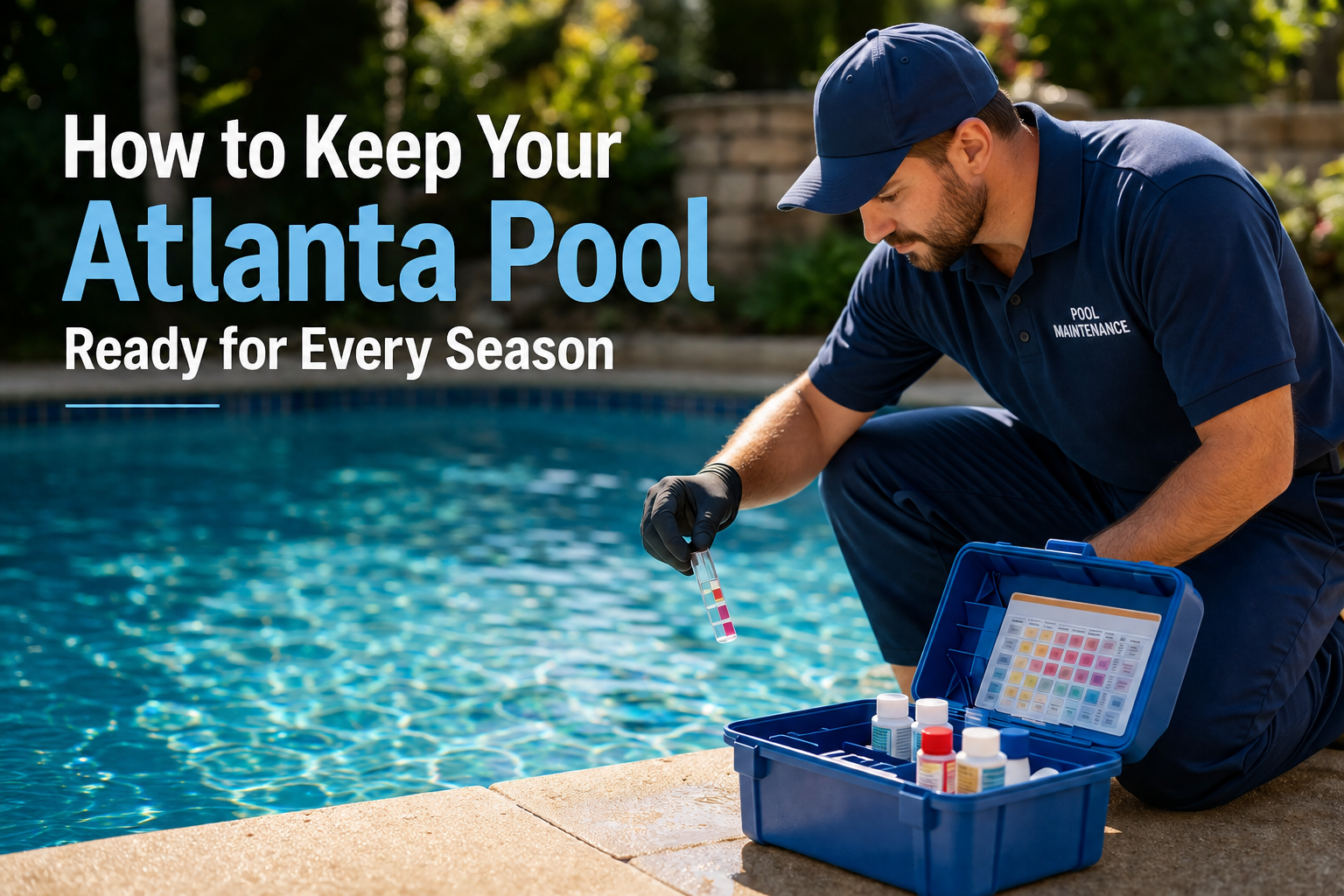
How to Keep Your Atlanta Pool Ready for Every Season

How to Keep Your Atlanta Pool Ready for Every Season

When summer heat rolls across Georgia, a swimming pool becomes that main, sort of everybody’s-there place for family relaxation and weekend recreation. But keeping the pool water clear and comfortable takes a lot more than just skim nets and the basic chlorine tablets, you know. Finding reliable pool maintenance in Atlanta, GA means looking past what you can see on the surface, and really understanding the thin line of chemical and structural balance in your aquatic environment.

Over years of hands-on experience in construction, mechanical systems, and water chemistry, we have seen how even small environmental changes can swing water quality. High-quality pool maintenance services in Atlanta, GA should consider heavy afternoon thunderstorms, soaring humidity, and dense seasonal pollen. When you understand how these factors interact, pool owners can prevent annoying equipment breakdowns and also keep their long-term investment protected.

Why does standard pool care often fall short in humid climates?

Most homeowners think clear water equals safe water. But clear water can still hide trouble, like improper pH balance, high cyanuric acid levels, or microscopic dissolved minerals sitting there quietly. In warm southeastern climates, extended exposure to direct sunlight can knock down free chlorine fast. Add heavy rain into the mix, and the whole water balance can shift within twenty-four hours, sometimes even sooner.

Industry data from pool trade associations suggests proactive equipment care and routine chemical balancing can reduce emergency repair costs by up to 40 percent, and also extend pump and filter lifespans by several years. When water chemistry slips out of balance, equipment parts like rubber seals, heat exchangers, and pump impellers can deteriorate much faster. Water circulation matters too. Without adequate daily turnover, dead zones form in deep ends and around steps, creating prime breeding grounds for stubborn algae species.

How can pool owners spot minor equipment issues before they become major repairs?

Catching early warning signs tends to save time, stress, and also a bunch of unnecessary money. Mechanical systems often “talk” about problems long before there’s an all-out shutdown. If you pay attention to the small, quiet changes in how everything is running, you can deal with minor wear before it turns into bigger structural problems, or electrical damage that costs more later.

We suggest you keep an eye on these key indicators during routine weekly operational checks, not just when something seems off:

  • Pressure gauge shifts: If you see a rise of 8 to 10 PSI over the usual baseline, it can mean a dirty filter. But if pressure drops instead, that often points to a clogged pump basket or a suction side blockage.
  • Unusual pump noise: Screeching or heavier rattling sounds usually indicate worn motor bearings or water cavitation happening inside the housing.
  • Water level fluctuations: Losing more than about a quarter inch of water per day, outside normal evaporation, can suggest a leak somewhere in plumbing lines or in the vinyl liner area.
  • Chemical consumption spikes: If your pool suddenly needs about double the typical sanitizer amount to stay at normal levels, you’re likely dealing with organic buildup, or high phosphate readings lingering in the filtration process.

What does a structured schedule look like for year-round aquatic health?

Consistent care requires different priorities as seasons change. Managing a pool during peak summer usage requires a very different approach than preserving water quality and equipment integrity during cooler months.

Season Primary Focus Area Key Action Items
Spring Opening & Water Balance Remove winter debris, balance calcium hardness, inspect pump seals, and re-establish proper filtration cycles.
Summer Sanitization & Circulation Test chemical levels twice weekly, run pumps 8 to 12 hours daily, brush walls, and monitor water clarity.
Fall Leaf & Organic Removal Empty skimmer baskets frequently, clean filter media, adjust run time as temperatures drop, and control phosphate levels.
Winter Protection & Freeze Guard Test freeze protection controls, maintain balanced water chemistry, cover properly, and inspect equipment periodically.

By adhering to a structured operational calendar, pool equipment operates at peak efficiency, energy costs stay controlled, and water remains safe for swimmers year-round.

How does proper equipment maintenance impact long-term home value?

A swimming pool is a major structural element for most homes. When it’s cared for properly, it becomes a selling advantage, and it also feels like a genuine outdoor living space. On the other hand, if pool equipment is neglected, plaster is stained, or a vinyl liner is compromised, inspections can turn that into a fast-growing financial burden.

Putting effort into filtration efficiency, using correct backwashing methods, and handling mechanical repairs on time helps the whole system work as one. When you understand the balance between physical filtration, chemical treatment, and mechanical circulation, it becomes the kind of backbone that supports solid pool ownership.

Conclusion

Maintaining a healthy swimming environment is an ongoing commitment to precise water chemistry, mechanical care, and routine inspections. Rather than waiting for green water or pump failure to address pool health, consistent preventive measures protect both your property value and your swimming experience. For homeowners seeking professional oversight and dependable care, Aquatic Excellence LLC provides comprehensive solutions for pool maintenance in Atlanta, GA, helping maintain clear, safe, and efficient pools throughout every season.

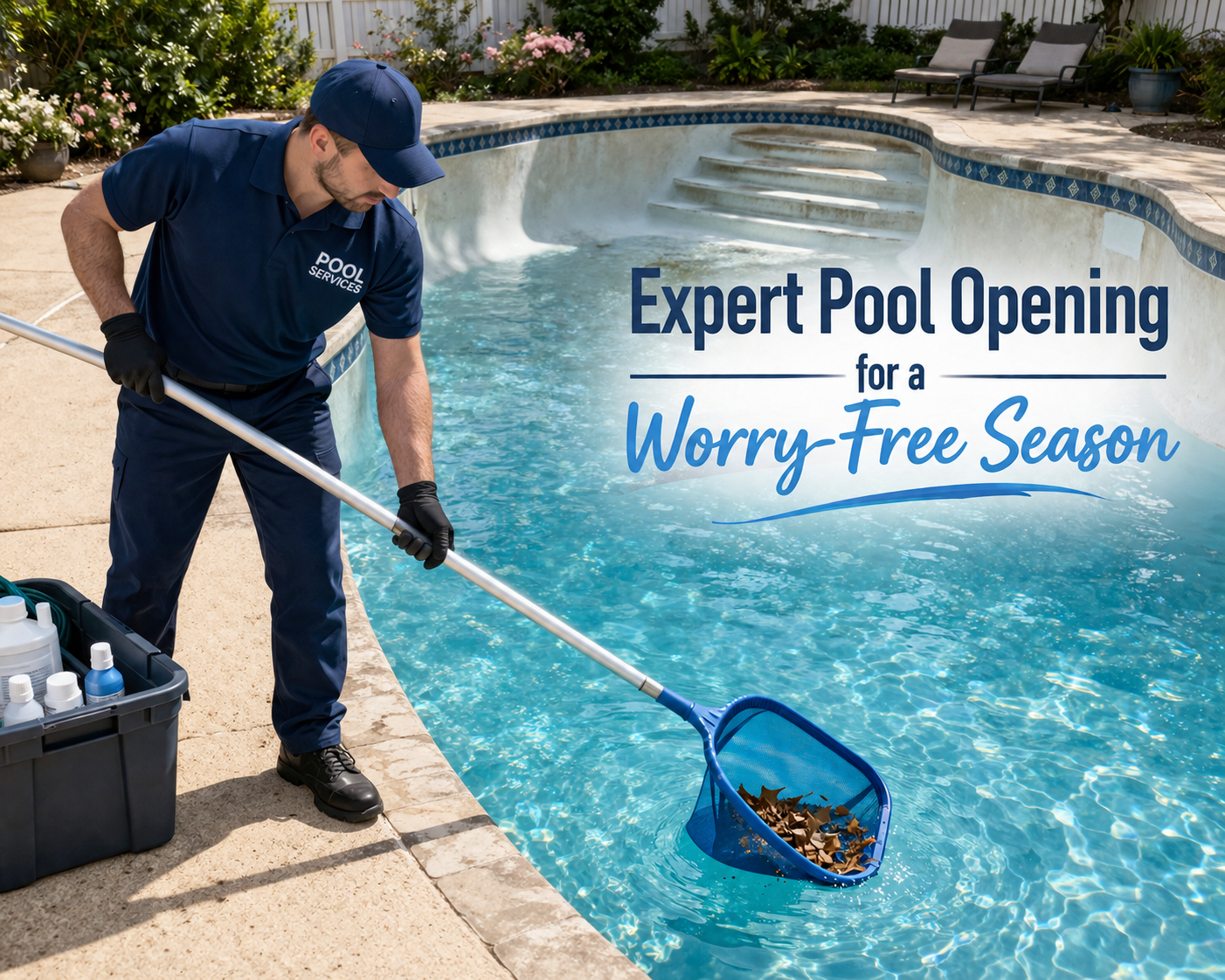
Expert Pool Opening for a Worry-Free Season

pool opening in Temple, GA

As warmer weather returns to Georgia, a lot of homeowners are pretty happy to get back to using their swimming pools again. But sure, removing the cover and filling the pool is only part of the deal. We think that proper pool opening in Temple, GA really puts everything on the right track for a safe, clean, and enjoyable season. If it’s planned carefully, the opening helps prep the pool, guards the equipment, and lowers the chance of avoidable maintenance surprises later on.

Lots of people also search for a dependable pool opening service in Hiram, GA because professional preparation saves time. It also helps stop those usual startup problems that show up when things aren’t checked right away. According to the Pool & Hot Tub Alliance, seasonal inspections and balanced water chemistry are important steps for protecting pool equipment and keeping swimming conditions healthy. We treat every pool opening as a chance to get the whole system ready for months of dependable performance, you know, the kind you don’t have to babysit.

Why Is Pool Opening More Than Removing the Cover?

After months of limited use, a pool needs more attention than just uncovering it. During the off-season, debris can build up, the water chemistry may drift, and equipment may sit unused for long stretches. If you skip the proper inspection, these situations can harm water quality or lower how efficiently equipment runs once the pool is back on.

We start every pool opening in Temple, GA by checking the state of the pool along with its mechanical systems. This way we can spot visible concerns before they grow into bigger headaches once the swimming season gets going.

A professional opening gives you a smooth transition from winter storage to regular operation, while also helping homeowners dodge unnecessary delays.

What Steps Are Included in a Professional Pool Opening?

When you’re opening a pool, it’s not just “turn it on”; there are a bunch of coordinated steps that get the water ready and also get the equipment sort of in shape. You know, the whole setup has to line up; otherwise you get problems later on.

Our seasonal opening routine might involve a few things like

  • taking off and storing the winter cover
  • clearing out debris from the pool
  • checking pumps, filters, and whatever equipment is visible
  • putting pool accessories back in place
  • filling the pool to the right water level
  • starting the circulation system
  • testing and balancing the water chemistry
  • watching for any visible leaks or equipment worries

Each little part helps make sure the pool is working efficiently, right from the start of the season. Homeowners in Hiram, GA who choose a pool opening service often like that every piece of the startup process is handled professionally, and not left to guesswork.

Why Is Water Chemistry So Important During Pool Opening?

The very first water test of the season gives real insights into how the pool is doing overall. Chemical levels can swing during winter, even if the pool stays covered most of the time.

We test chlorine, pH, alkalinity, and several other important water conditions before doing any needed changes. When the water is balanced, it can limit algae from popping up; it also supports effective sanitation, and it helps protect pool finishes as well as equipment.

Getting the chemistry right also makes swimming more comfortable, while cutting down extra strain on pumps, heaters, and filtration systems. Our aim during pool opening in Temple, GA is to lock in stable water conditions that carry through the entire swimming season, pretty smoothly.

How Can Early Equipment Inspections Prevent Future Repairs?

Many equipment problems develop gradually while a pool is closed for the winter. Seals may dry out, filters may require cleaning, and pumps should be inspected before operating under full demand.

By evaluating equipment during the opening process, we can often identify small concerns before they become expensive repairs. Preventive maintenance reduces the risk of unexpected breakdowns during periods of heavy pool use.

The table below highlights why early inspections matter.

Seasonal Inspection Long-Term Benefit
Pump inspection Improved circulation and reliability
Filter evaluation Better water clarity and efficiency
Water chemistry testing Reduced algae and balanced sanitation
Equipment startup Early detection of visible issues
Leak inspection Lower risk of water loss and damage

Why Does Professional Pool Opening Save Time and Stress?

Many pool owners enjoy handling routine maintenance but prefer professional assistance when reopening the pool each year. A structured opening helps ensure every important task is completed in the correct order.

We focus on preparing the entire pool system instead of simply getting the water ready for swimming. This organized approach helps reduce startup delays, improves equipment performance, and creates greater confidence that the pool is ready for regular use.

Homeowners scheduling a pool opening service in Hiram, GA often find that preventive care at the beginning of the season makes ongoing maintenance much easier.

How Does a Proper Pool Opening Support a Better Summer?

Every successful swimming season begins with careful preparation. A well-opened pool provides cleaner water, more reliable equipment, and fewer maintenance surprises throughout the warmer months.

We believe that seasonal preparation is one of the most valuable services a pool owner can invest in. By taking time to inspect equipment, balance water chemistry, and prepare every system, we help create the conditions for a safer and more enjoyable swimming experience.

For homeowners planning pool opening in Temple, GA or looking for a dependable pool opening service in Hiram, GA, professional seasonal care can make a meaningful difference. Aquatic Excellence LLC provides pool opening services that follow established industry practices and help residential and commercial pool owners begin each swimming season with confidence.

How Preventive Pool Care Beats Emergency Repairs Every Time

How Preventive Pool Care Beats Emergency Repairs Every Time

A swimming pool represents more than just a body of water in your backyard. It is an investment in your lifestyle, a hub for family gatherings, and a visual centerpiece for your property. However, many homeowners view their pool through a narrow lens, seeing it only as a seasonal luxury rather than a dynamic mechanical ecosystem. When you look closely at your water, you are looking at a complex balance of chemistry, engineering, and environmental science. Without the right management, a minor chemical shift can quickly turn a backyard oasis into a stressful maintenance headache.

We understand that maintaining this balance requires specialized training and deep regional expertise. The variable climate in Georgia brings unique challenges, from heavy pollen drops in the spring to intense summer heat waves that rapidly deplete sanitizers. Property owners who want to protect their investments seek professional swimming pool services in Acworth, GA to ensure their systems run year-round smoothly. Choosing a qualified pool service company in Acworth, GA means choosing prevention over crisis management, ensuring your water remains safe for your family. If you want reliable, routine maintenance that extends the lifespan of your filtration equipment, finding the right pool service in Acworth, GA is the most critical step you can take.

Why Does Precision Chemistry Matter for Your Family?

Most folks think that tossing in a few chlorine tablets each week somehow “handles it” and the pool stays clear. But that simple habit kind of misses the tight connection between total alkalinity, pH levels, calcium hardness, and cyanuric acid. If pH levels drift too high, then your chlorine doesn’t work as it should, so invisible pathogens and algae spores keep thriving. On the other side, if pH falls too low, the water turns too acidic, slowly wearing down the copper heat exchangers in your heater, and it can also mess up plaster or vinyl surfaces over time.

Information from the Centers for Disease Control and Prevention shows that more than ten percent of routine public pool inspections end in immediate closure due to serious violations, mostly tied to wrong disinfectant levels. Your home pool sees far fewer bathers than a public venue, yet the underlying science doesn’t really change. We rely on professional diagnostic tools to measure your water parameters with precision, then we fine-tune the chemical equilibrium so you avoid scaling, discoloration, and that skin irritation feeling.

What Happens Inside Your Pool Filtration System?

The pump and filter work like the heart and bloodstream of your pool. The pump is supposed to circulate the full volume at least once every day, so filtration stays steady and chemicals get distributed evenly. When a filter clogs with organic leftovers or those fine sediments, the internal pressure climbs, and that extra load pushes the pump motor harder. In practice, this means more wear and also higher energy costs, which no one wants.


Component Primary Function Warning Signs of Failure
Pool Pump Circulates water through the filtration system Loud grinding noises, humming sounds, or priming loss
Filtration Unit Traps microscopic debris and organic matter Elevated pressure gauge readings, cloudy water
Multiport Valve Directs the flow of water for backwashing or rinsing Water leaking from the waste line, stiff handle

Regular physical maintenance goes beyond skimming leaves from the surface. Our technicians inspect the internal components of your filtration system, lubricating O-rings, clearing pump baskets, and backwashing sand or DE filters when necessary. By identifying worn seals or minor plumbing leaks early, we prevent major equipment failures that could leave your pool unusable during the hottest months of the year.

How Do Seasonal Transitions Affect Structure?

California winters might not deliver feet of snow, but freezing temperatures still create a real risk for outdoor plumbing lines and equipment pads. Water expands by about nine percent as it freezes, so if you end up leaving water stuck inside your heater, pump housing, or underground plumbing lines during a tough cold snap, the ice that forms can crack heavy plastic as well as metal castings. It’s kind of a simple thing, but it hits hard.

Our professional winterization process takes care of it by blowing all water out of the plumbing lines, then sealing things safely. When spring shows up, we do the opposite, removing winter plugs, reassembling the pump equipment, and starting a strong chemical treatment to clear out what winter left behind. This method, step-by-step, helps you avoid pricey emergency repairs, and it supports a smooth shift into swim season.

How Do Commercial Pools Differ From Residential Systems?

Running a commercial pool for a hotel, gym, or community center means you have to deal with strict regulatory compliance and liability concerns, all at once. Commercial pools also deal with much higher bather loads, which bring in bigger amounts of sunscreen residue, sweat, and organic contaminants into the water. That quick surge means you generally need automated chemical dosing systems plus heavy-duty commercial filtration units that stay ready under constant demand.

We build our commercial maintenance programs to align with all local health department guidelines, with careful log keeping for chemical readings and equipment checks. Our crew also keeps an eye on flow meters, auto-chlorinators, and safety equipment, so your facility can remain open and safe for your guests or residents, even on the busiest days.

Can Renovations Save an Aging Structure?

At some point, almost every pool starts asking for structural attention. Vinyl liners tend to stretch and then go kind of brittle after a long run of UV exposure, while concrete areas can get rough in spots and also show cracks that were not there before. Updating your pool surfaces and equipment is not only about looking better either. Most renovations today also cover energy-efficient variable-speed pumps, and those can cut electricity use by as much as seventy percent compared with older single-speed models.

We do full transformations, from swapping out tired structural liners to upgrading dated plumbing valves and auto-fill systems. When you pair the necessary structural repairs with modern equipment improvements, older, high-maintenance pools can become more like efficient systems that need less chemical intervention, and also lower operating costs over time.

To keep a backyard paradise usable, homeowners often depend on precise swimming pool services in Acworth, GA for equipment updates and steady performance. Working with a seasoned pool service company in Acworth, GA helps remove the guesswork from water balancing and seasonal prep, so things don’t drift out of spec. Choosing consistent pool service in Acworth, GA also protects the structure longer and saves you time. Our team concentrates on dependable pool upkeep, accurate chemical balancing, major equipment repairs, and custom structural installations throughout the area. If you’re looking at a full liner replacement, or you just want simple weekly cleaning, Aquatic Excellence LLC delivers clear communication and steady results that keep your water looking crystal clear.

Frequently Asked Questions

  1. How often should I clean my pool filter?

You should clean cartridge filters or backwash sand and DE filters when your pressure gauge reads 8 to 10 PSI above its clean baseline reading.

  1. Why is my pool water cloudy even though the chlorine level is high?

Cloudy water can indicate poor filtration, low circulation times, or high calcium hardness levels.

  1. How many hours a day should I run my pool pump?

You should run your pool pump long enough to turn over the entire volume of water at least once daily.

  1. What causes my pool water to turn green?

Green water is caused by algae growth, which occurs when there is a lack of sanitizer or a chemical imbalance.

  1. Is it safe to swim immediately after adding chemicals to the pool?

You should generally wait at least 30 to 60 minutes after adding basic balancing chemicals like chlorine or acid before swimming.

What Your Pool Needs to Stay Clear, Safe, and Stress-Free

swimming pool maintenance company temple gaThe modern backyard is kind of a huge financial and emotional commitment. For a lot of families, a swimming pool becomes the “most needed” gathering spot, a quiet retreat, and the visual focal point for basically the whole property. When you build or buy a home with a custom pool, you’re not only getting a physical structure; you’re really paying for an ongoing experience. Still, many homeowners learn pretty fast that keeping this luxury looking right takes more than good intentions. As a dedicated swimming pool maintenance company in Temple, GA, we see it every day how a beautiful pool can change your daily routine… as long as it gets the right professional care.

Water isn’t just water; it’s more like a living ecosystem, constantly reacting to weather shifts, local wildlife, tree fragments, and bather activity. If you ignore the less obvious systems inside your pool, that backyard luxury can become a stressful, extra time-consuming headache real quick. We think that good swimming pool maintenance in Temple isn’t only skimming leaves off the top on a random Saturday afternoon; it also means managing an exact balance of organic chemistry, water movement, and mechanical supervision. That combination keeps the setting safe, sanitary, and genuinely welcoming for your family.

Why is water chemistry more than a weekend hobby?

Many people believe that adding a few chlorine tablets now and then is enough to keep a pool clean. In reality, water chemistry is a delicate balancing act where every single parameter affects the other. When your pH level fluctuates even slightly, it directly impacts how efficiently your sanitizer works. Low pH can corrode expensive heaters and pump seals, while high pH can cause scale buildup on the pool surface and clog your filtration media.

According to recent pool industry data, up to eighty percent of premature equipment failures stem directly from poorly managed water chemistry over an extended period. When the water parameters are incorrect, vinyl liners degrade faster, plaster surfaces become rough, and the overall lifespan of the entire system drops significantly. We analyze total alkalinity, calcium hardness, and stabilizer levels to protect the physical components of your investment.

What happens behind the scenes of a healthy pool?

The pump and filtration system serve as the heart and lungs of your pool. Without proper, daily circulation, water becomes stagnant, creating a perfect environment for black algae blooms and harmful bacterial growth. We ensure that your water moves efficiently through the filter every single day to catch microscopic particles before they can settle.

To keep this complex mechanical system operating smoothly, several key components require routine, disciplined attention:

Component Primary Maintenance Task Expected Benefit
Filtration Media Periodic backwashing or deep cleaning Restores optimal system pressure and water clarity
Pump Basket Frequent clearing of leaves and organic debris Prevents water starvation and motor overheating
Multiport Valve Regular inspection of internal rubber gaskets Prevents water loss and bypass leaks
O-Rings Routine lubrication with silicone-based lubricant Seals the system against air leaks and pressure loss

When these mechanical parts operate smoothly, the energy consumption of your home decreases. A dirty filter forces the pump motor to work twice as hard to push the same volume of water, which increases your monthly utility bills and burns out the motor prematurely.

How do changing regional seasons impact your pool?

Georgia weather kind of does its own thing, and outdoor pools get hit with a mix of fast, sometimes relentless changes. In spring, the heavy pollen season arrives, then summer turns hot, humid, and longer than expected, and fall tends to dump more leaves, seeds, and natural mess. Because of that, you really can’t treat pool care as one static plan that you set and forget.

During the peak summer stretches, evaporation climbs, and the remaining water becomes more concentrated, including the chemicals. Then you get sudden rainstorms, and they can dilute your sanitizer in just a few hours, which means the pool can slide toward rapid organic growth before you even notice. When winter finally comes around, pool closing isn’t just “turn off the equipment” either. Closing involves specialized steps to protect underground plumbing from freezing temperatures. Professional winterization helps keep water from getting trapped inside pipes, where it could expand and crack lines. That small effort saves thousands of dollars later from those hidden repair bills that show up when spring is back.

Can commercial properties skip specialized oversight?

Commercial pools- think hotels, community centers, fitness clubs- face health department rules that are very strict. Also, the bather load is usually much higher than a residential setup, so the chemistry may shift dramatically in a single afternoon.

Running a commercial site needs meticulous documentation and constant watchfulness. If chlorine drops under the legal limit for even a short window, local authorities can shut things down, and that affects revenue as well as guest experience. Real know-how in this field means being fluent in public health codes, using commercial-grade filtration equipment, and handling mechanical problems immediately, so the property spends less time closed and the water stays stable.

How do you preserve your backyard investment for the long term?

A swimming pool should bring peace, relaxation, and joy, not frustration and weekend exhausting labor. Delegating the technical tracking, seasonal adjustments, mechanical inspections, and heavy scrubbing to experienced professionals allows you to simply enjoy the water with your loved ones. Consistent care ensures that structural elements like vinyl liners, plaster surfaces, and tile borders remain intact for their full expected lifespan, which preserves the resale value of your entire property.

When you look at a crystal-clear pool, you are seeing the result of disciplined routines, quality materials, and technical training. If you want to protect your backyard investment and enjoy stress-free weekends, securing a professional pool maintenance service in Temple is the smartest choice you can make, and you can always count on the reliable, high-quality care provided by Aquatic Excellence LLC.

Frequently Asked Questions

  1. How often should a pool filter be cleaned?

A pool filter generally needs a deep cleaning or backwashing every four to six weeks, or when the pressure gauge reads eight to ten pounds per square inch above the clean starting pressure.

  1. Why is my pool water cloudy even after adding chlorine?

Cloudy water can indicate poor filtration, a developing algae bloom, or improper chemical balance, such as high pH or calcium hardness.

  1. How long should I run my pool pump every day?

During the warm swimming season, a pool pump should run for at least eight to twelve hours a day. The goal is to turn over the entire volume of pool water at least once daily.

  1. Can heavy rain affect the chemical balance of a pool?

Yes, heavy rain introduces contaminants, airborne debris, and organic matter into the water while diluting existing pool chemicals.

  1. What is the purpose of pool shock treatments?

Shocking involves adding a high dose of sanitizer to raise free chlorine levels rapidly. This process breaks down combined chlorine, which causes that distinct chemical smell and eye irritation.

Stop Letting Pool Problems Ruin Your Summer Relaxation

Pool Problems

Imagine stepping into your backyard after a long, stressful workday. Your pool should be a peaceful, sparkling escape. We believe every homeowner deserves a flawless sanctuary without the stress of constant upkeep. Finding a reliable pool service in Kennesaw, GA, makes this dream a reality. Our goal is to keep your water crystal clear.

A neglected pool quickly loses its beauty and becomes a safety hazard. When pump failures or chemical imbalances occur, quick action is vital. We provide professional swimming pool repair service in Kennesaw, GA, to fix system issues immediately. Our team also delivers complete swimming pool services in Kennesaw, GA, to protect your investment. Let us transform your pool back into a clean, inviting haven.

Why is maintaining water chemistry a science?

Water balance is more than just throwing in some chlorine tablets. Heavy summer rains and hot sun constantly change your water chemistry. Recent industry data shows that seventy percent of pool owners struggle with pH levels. Incorrect levels can damage pool plaster and irritate your skin. We test the water to ensure a perfectly balanced, safe swimming environment.

What steps keep your oasis in perfect shape?

We use a detailed checklist to keep your system performing beautifully. Every component of your pool requires regular, professional attention. The following table explains our essential pool maintenance tasks and why we perform them.

Task Name Frequency Primary Benefit
Water Testing Weekly Prevents algae growth
Filter Cleaning Monthly Keeps water flowing well
Tile Scrubbing Weekly Removes ugly water lines
Pump Inspection Monthly Prevents motor burnouts

How can you spot early equipment trouble?

Pool equipment works hard all season long. Subtle signs often warn you before a complete system failure happens. A sudden drop in water flow usually points to a clogged line. Strange grinding noises from the motor mean the bearings are wearing out. Addressing these issues early saves you money on major repairs.

We recommend a quick weekly inspection of these critical components.

  1. Check the pump basket for leaves and debris.
  2. Monitor the pressure gauge on your filter tank.
  3. Look for small leaks around the plumbing pipes.
  4. Verify that the heater starts without delay.

How does seasonal preparation prevent damage?

Georgia winters can be harsh on pool plumbing and equipment. Frozen water expands and easily cracks thick plastic pipes. We safely winterize your system to prevent these expensive winter headaches. When spring arrives, we prepare the pool for the warm days ahead. We clean the lines, test safety gear, and balance the chemistry.

Conclusion

Your backyard pool is the heart of your summer relaxation. Homeowners looking for premium swimming pool services in Kennesaw, GA, can count on Aquatic Excellence LLC. Their team provides routine care and advanced technical troubleshooting to keep your water safe.

Hiring a professional pool service in Kennesaw, GA, ensures peace of mind all year. If your system breaks down, a professional swimming pool repair service in Kennesaw, GA, will restore your sanctuary quickly.

Frequently Asked Questions

  1. How often should a backyard pool be tested?

You should test your pool water at least twice every week. Checking it daily during hot weather or heavy use is even safer. Proper testing keeps the chemistry balanced and prevents skin irritation. It also protects your expensive pool equipment from corrosion and damage.

  1. What causes pool water to turn cloudy?

Cloudy water is usually caused by low chlorine levels or a dirty filter. When sanitizer levels drop, tiny organic particles build up in the water. Running your filter for twenty-four hours often solves the problem. You may also need to shock the pool.

  1. How long should a pool pump run each day?

Most residential pool pumps must run for eight to twelve hours daily. This run time ensures all the water passes through the filter. Running the pump during the day prevents algae from taking hold. It keeps the pool chemicals properly distributed.

  1. Is it safe to swim right after adding chemicals?

You should wait at least four hours before entering the water. Some chemicals require even more time to dissolve safely. Always check the product label for specific safety guidelines. Waiting prevents chemical burns and red, irritated eyes.

  1. Why does my pool seem to lose water rapidly?

Normal evaporation causes slight water loss during hot summer days. However, a rapid drop in water level indicates a hidden leak. You can test for leaks using the simple bucket method. Contact a professional technician immediately if you suspect a plumbing leak.


How Seasonal Changes Quietly Damage Atlanta Pools?

pool maintenance

Your swimming pool isn’t just a concrete basin full of water. It’s more like a quiet place where your family makes those lasting summer memories, you know. Keeping that sanctuary looking right takes steady attention and real technical know-how. So we bring top-tier Atlanta pool cleaning services to help keep your water safe and consistently clear.

Running a pool can turn into a full-time chore faster than people expect. Our crew works hard as a trusted pool cleaning company in Atlanta to lift that weight off your shoulders. We offer custom solutions so you can spend your weekends swimming instead of scrubbing. When our professional pool cleaning services are on your side, you won’t have to constantly second-guess water chemistry.

Why is water balance so critical for your pool?

Keeping pool water clean is kind of a delicate science. A lot of folks assume a clear pool automatically means a healthy pool. Honestly, that idea is a common misconception in our industry. If the pH level is off, it can cause skin irritation, and it can also wear down your pool equipment after a while.

We test the water during every visit, and we make sure the chemical levels stay dialed in and right. When the balance is correct, it helps protect your plaster and keeps algae from getting a foothold.

Our regular visits catch small chemical troubles early, before they become expensive repairs. And if the weather gets unpredictable, like heavy rainfall or hot stretches, we adjust the chemicals accordingly, so your system stays steady.

Why does manual vacuuming still beat automatic pool cleaners?

A lot of pool owners count on automatic pool cleaners to take care of the messy parts. Robotic cleaners are convenient, sure, but they still have real constraints. Recent industry studies suggest robotic cleaners can miss up to 30 percent of pool debris.

That debris tends to get comfy in narrow corners, and also in deep spots. We’re big believers in traditional physical effort. Once a month during peak summer weeks, we do a deep manual vacuuming. We use industrial-length poles along with specialized vacuum nozzles.

This gets the small, stubborn sediment that automatic systems often leave behind. It helps your pool stay genuinely clean, all the way from surface to floor. Also, our hands-on method helps guard your pool liners from lopsided wear that automated wheels can cause.

How do seasonal changes affect your pool maintenance plan?

The shifting seasons across Georgia bring their own set of headaches for pool owners. In spring, pollen can jam up your filters within days, sometimes even sooner. In the fall, leaves may tint your pool floor fast if you don’t take them out.

So we reshape our maintenance routines so they match the seasonal rhythms. Our seasonal services help your pool transition smoothly through the year.

We prep it for the chilly winter, then we get it ready again for the hot summer heat, when it actually matters.

Season Key Service Tasks Primary Objective
Spring Opening Remove safety cover, clear debris, test equipment, start pump, balance chemicals. Prepare the pool for safe swimming.
Winter Closing Drain water below tile line, blow out pipes, add winter chemicals, and install safety cover. Protect pipes and structure from freeze damage

What are the challenges of managing commercial pools?

Commercial pools face much stricter rules than residential backyards. Hotels, community centers, and athletic clubs must comply with strict local health codes. High swimmer numbers mean the water chemistry can change in an hour. We provide heavy-duty management to keep these facilities safe and operational. Our commercial services include deep algae treatments, tile repairs, and total water restoration. We keep your facility compliant, so your guests can swim without worry.

We focus on several key areas during our comprehensive commercial visits:

  • We check safety equipment and deck depth markers for local compliance.
  • We test chemical levels multiple times to handle heavy bather loads.
  • We inspect commercial filtration systems and high-capacity pumps for wear.
  • We scrub waterlines and tile bands to remove unsightly oil buildup.

How can you ensure your pool remains perfect all year?

Achieving a pristine pool does not have to be a stressful task. You do not need to spend your free hours checking chemical levels or skimming leaves. Our dedicated team is here to manage all your swimming pool needs.

Homeowners and commercial facility managers can trust Aquatic Excellence LLC for dependable local pool care. We take pride in delivering top-tier Atlanta pool cleaning services to our neighbors.

As a leading pool cleaning company in Atlanta, we handle everything from minor repairs to major equipment upgrades. Let us provide the professional pool cleaning services you need to enjoy a beautiful, stress-free pool.

Frequently Asked Questions

  1. How often should a swimming pool be professionally cleaned?

Most pools require professional cleaning at least once a week. Weekly visits help maintain a steady chemical balance and prevent algae growth. Regular skimming and vacuuming also protect your filtration system from clogging. Skipping even one week of maintenance can lead to cloudy water and costly chemical adjustments later.

  1. What is the ideal pH level for pool water?

The ideal pH level for pool water is between 7.4 and 7.6. This range matches the natural pH of human eyes and skin. It ensures comfortable swimming and prevents irritation. Correct pH also allows your chlorine to sanitize the water effectively while protecting your pool equipment from corrosion.

  1. Why is my pool water cloudy even after adding chlorine?

Cloudy water can happen for several reasons. It often indicates a clogged or dirty pool filter. It can also mean your water has poor circulation or high calcium levels. Simply adding more chlorine might not fix the issue. You must run your pump and clean your filter to clear it up.

  1. How long should I run my pool pump every day?

You should run your pool pump for at least eight to ten hours a day. During the hot summer months, you may need to run it longer. Continuous water circulation is vital because it moves the water through your filter. This process removes debris and distributes sanitizing chemicals evenly.

  1. Can I use an above-ground pool during the winter?

Most above-ground pools are not designed for winter use in colder climates. Freezing temperatures can damage the pool walls and PVC pipes. It is best to close and winterize the pool before the first hard freeze. This protects your investment and ensures an easy opening process next spring.